Visitor Speaker – 19th Nov https://brendanbarry.co.uk/
- What steps did you take to get where you are today?
- What type of photography do you do?
- how to do you reach a wider audience, both on social media and in real life?
- who inspires you?
- how do you balance your business with your own life?
Brendon Barry is a contemporary photographer, self identifying his earlier works as commercial panoramic landscapes, however has branched out his ideas to make cameras out of just about anything from phone caravans to watermelons .
Growing up as a kid Brendon Barry was inspired by children’s adventure novels and western films like Stig of the dump, The Goodies, Wallace and Gromit, and Stagecoach. fulfilling a hard working constructive mindset he has in his life now, making it rewarding for him to deconstruct objects to get a better understanding of their function.
This lead him to Plymouth university, where he would undertake his MA in Photography and The Land. in which he traveled to Lithuania for 5 days, shooting over 70 rolls of film he found himself untied from social obligations and distractions, free to take cultural landscape photos of his surroundings.
The American Road Trip
After his MA in Plymouth, Brendon planned to hike across America, inspired by the western novels and films he grew up told of this American road trips. When he found himself in chasing this dream in america he arrived with his cameras, tripods, and equipment with a large bag. Over encumbered and tired from hiking on his route he managed to buy a car from a person allowing him to travel the states easily.


Because of his MA in Plymouth Brendon was informed on such photographers like Alex Sloth, Stephen Shore, William Eggleston, and felt his own work was influenced by them, as if he were looking by their eyes, shooting satisfying documentary shots of the cultural landscapes of central america, peoples portraits, and observational still life frames. After his travels he saw this as a reason to return to the UK with a focus on his own stylization of work
16″ x 20″ Ultra Large Format Camera
seeking his identity as a photographer, he had an idea to reverse engineer a camera, by taking it apart to see how it fit together, knowing he didn’t understand how to put it back together he set out to create his own camera, prepared to face all the challenges that lay ahead.


Armed with a workshop, he created two wooden frames, and bellow of light tight cloth, fitted together to create the focal length of the lens.

Through grinding glass Brendon was able to make lens for his camera, this is a very hard task to do as it requires of how knowledge light refracts through glass, focusing an image is made easier by the use of bellows and translucent screens as there is an optical focal length. buying a magnifier glass online is a recommend route for simplicity.

In use Brendon developed black and white portraits onto 16” x 20” producing a high detailed negatives which he would later turn these into a positive print. he would go on to further explore this idea.
After forming an understanding of a how a camera works, Brendon Barry thought to himself ‘ what else can i make a camera out of? ‘ and has since made cameras and obscures out of just about everything from every day objects like blocks of wood, and junk, to food like water melons, butternut squashes, pineapple, and even bread. i think its really interesting to see once you have the core components you can start to work backwards redefining what a camera is.


Turning produce into cameras presents its own set of unique challenges, first needing to hallow out the centre for the body of the camera, and fitting a screen see the flipped image on.


fastening screws and nuts through the cheese he’s secured the screen and lens fitted with a .shutter release.

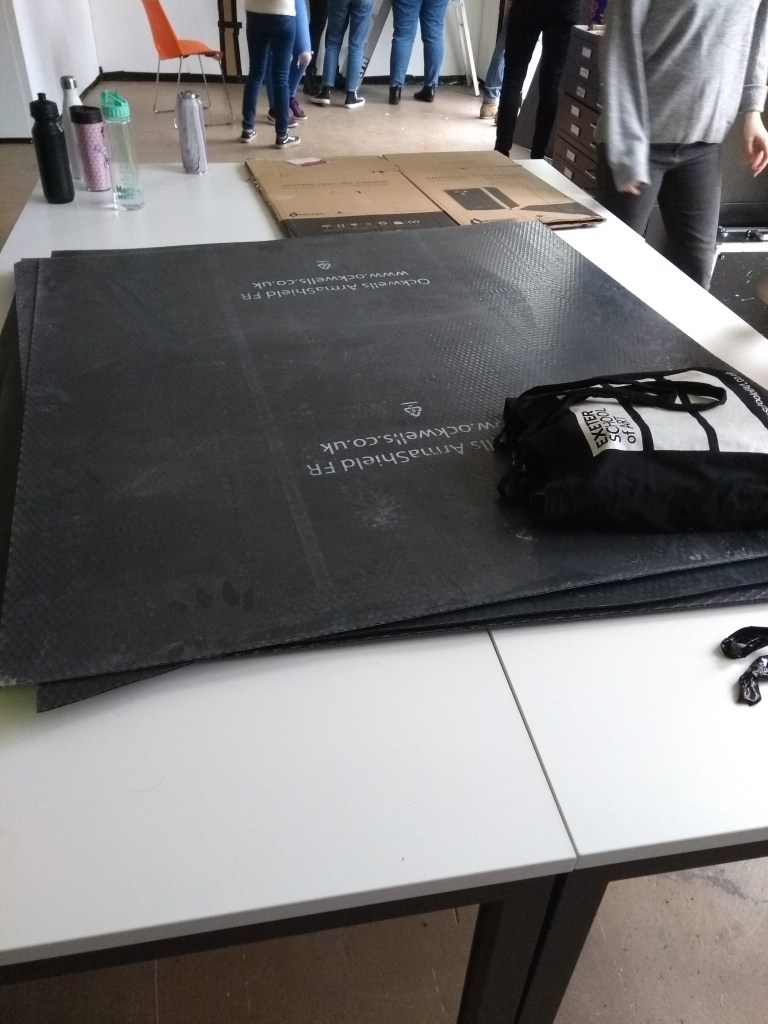
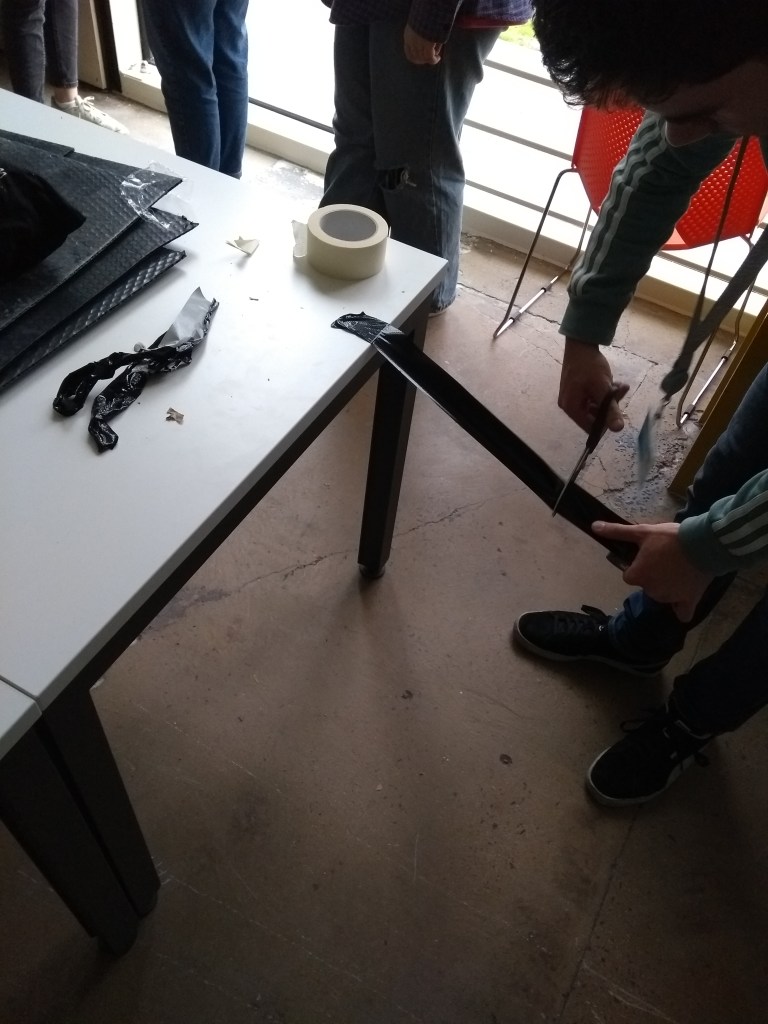
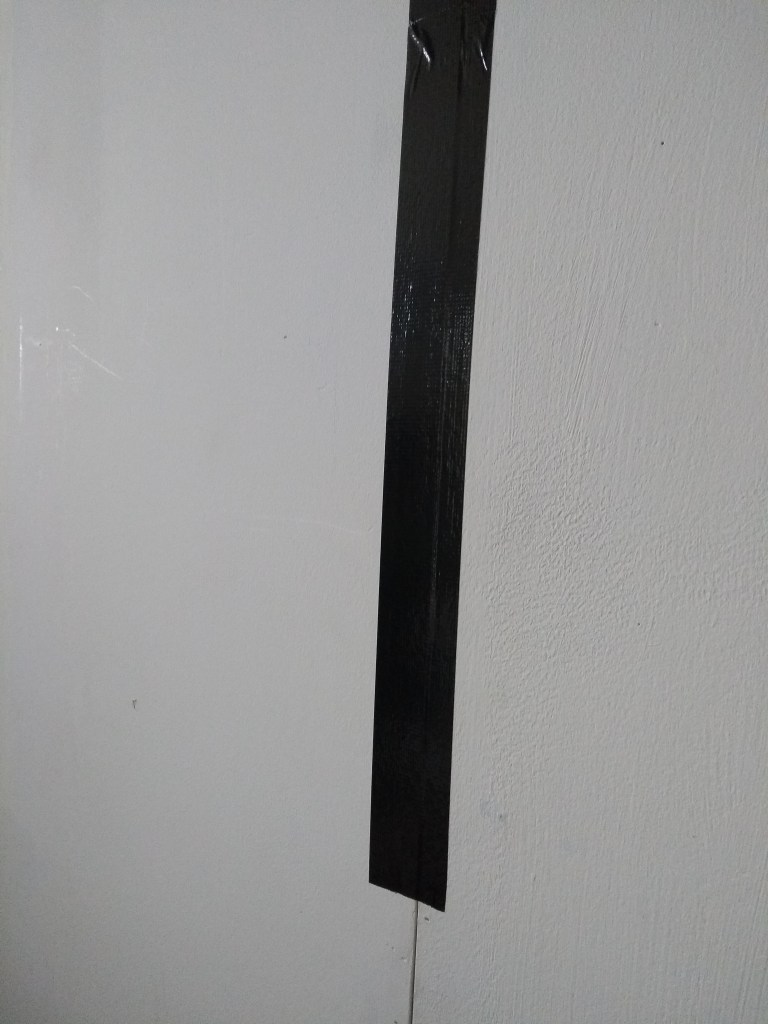
after Brandons start he hosted a workshop for the 3rd year students, fascinated by his work i asked if i could and i was surprised when he said yes. making a camera obscure out of a room has always been a dream of mine since i started practising the art. to be inside a camera to take the photo.
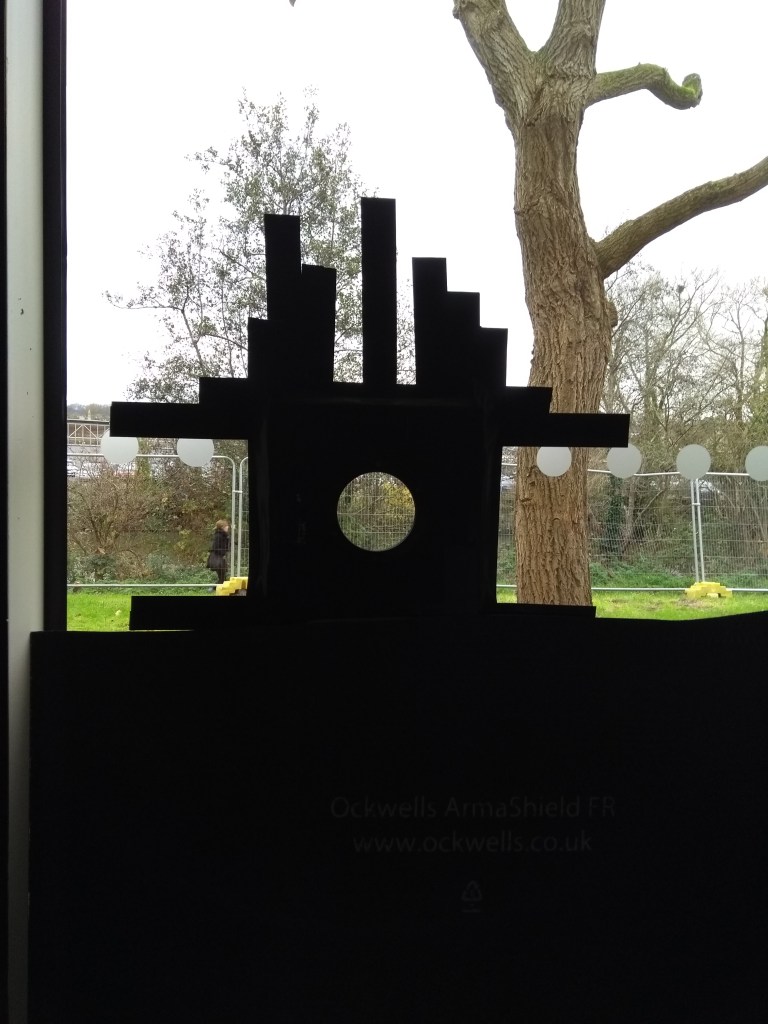
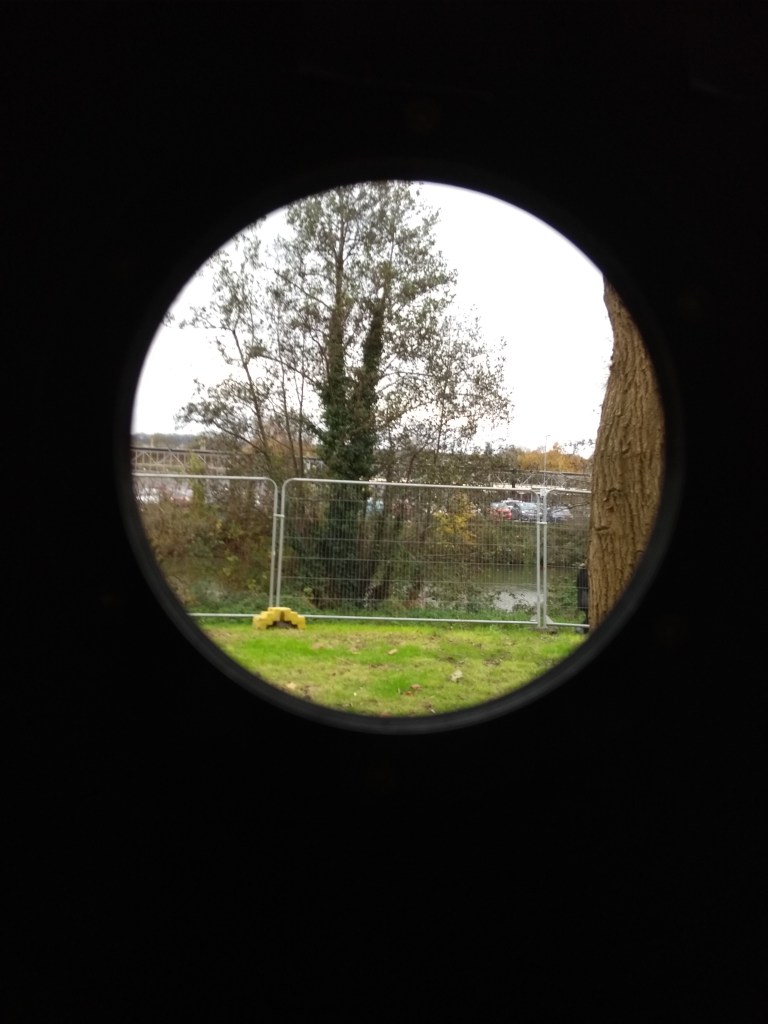
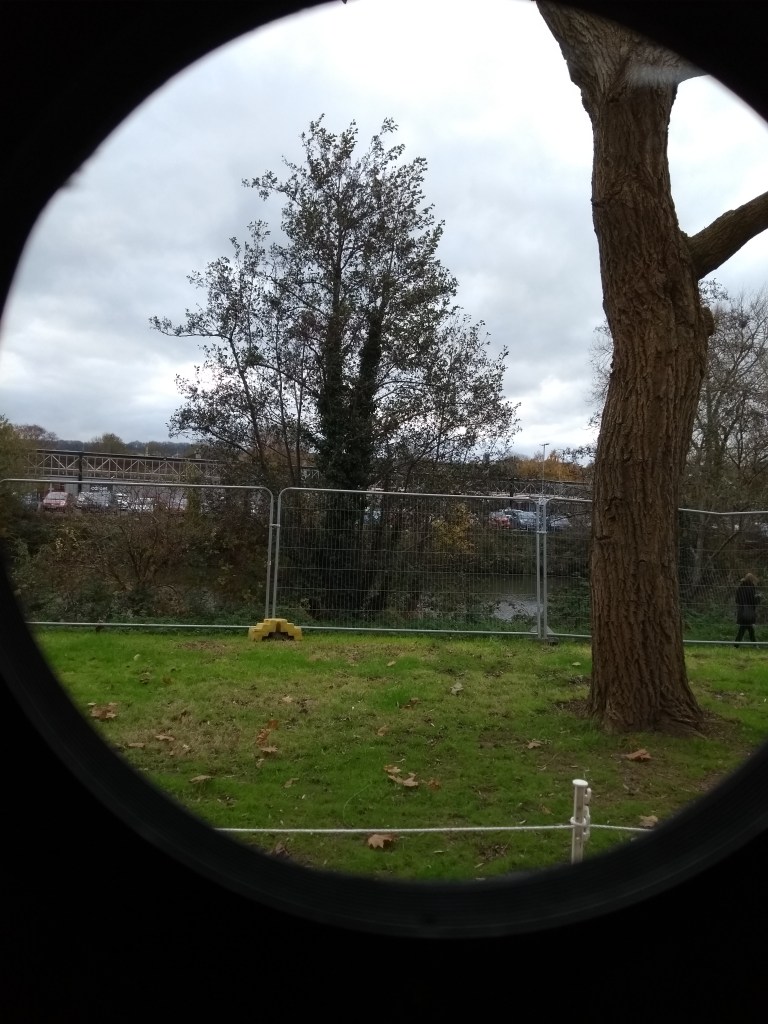
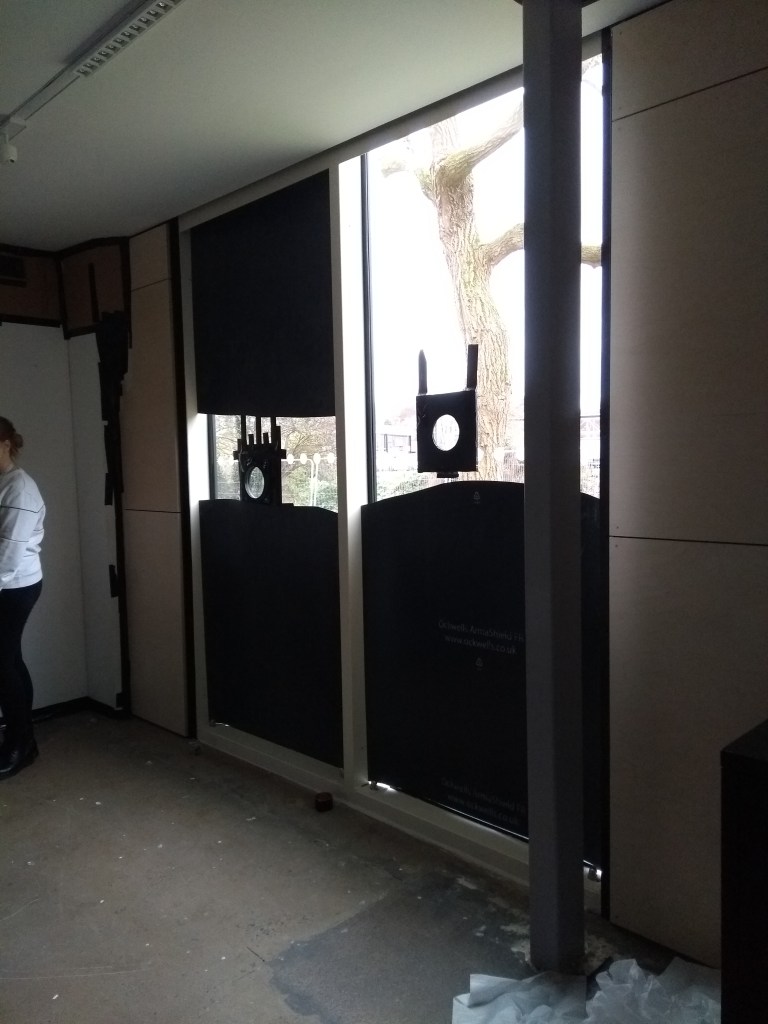
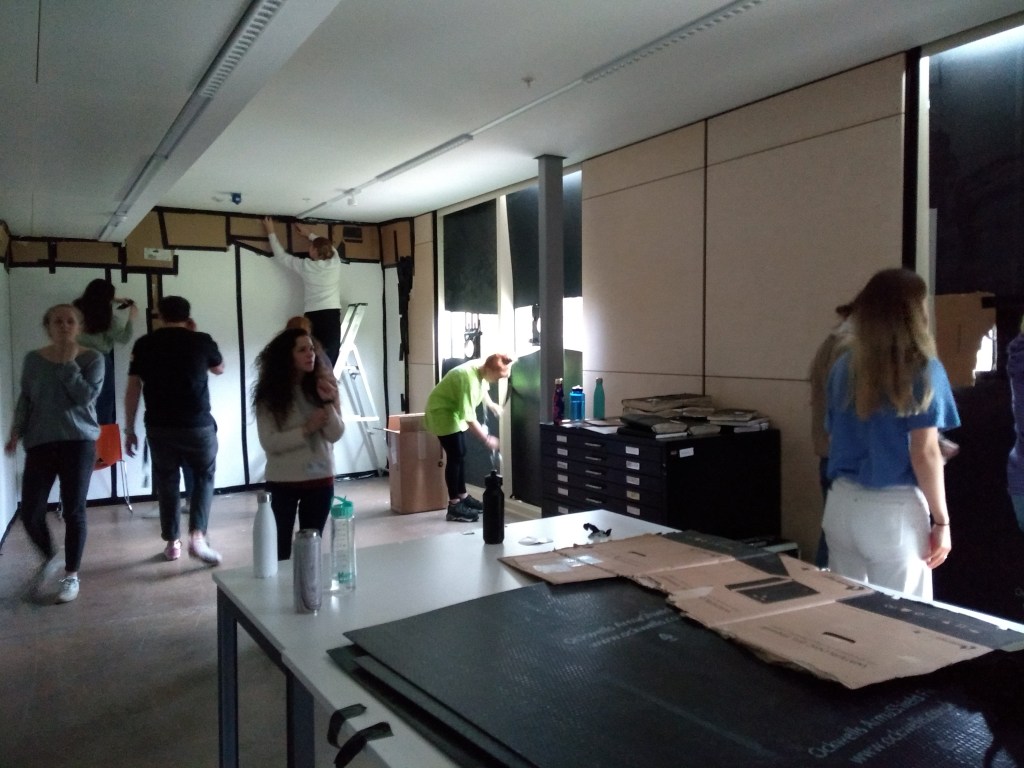
we started by getting duct tape and any large pieces of card we could find to ceil the room and make it light tight, here you can see everyone getting involved in the creaton of this camera obscure
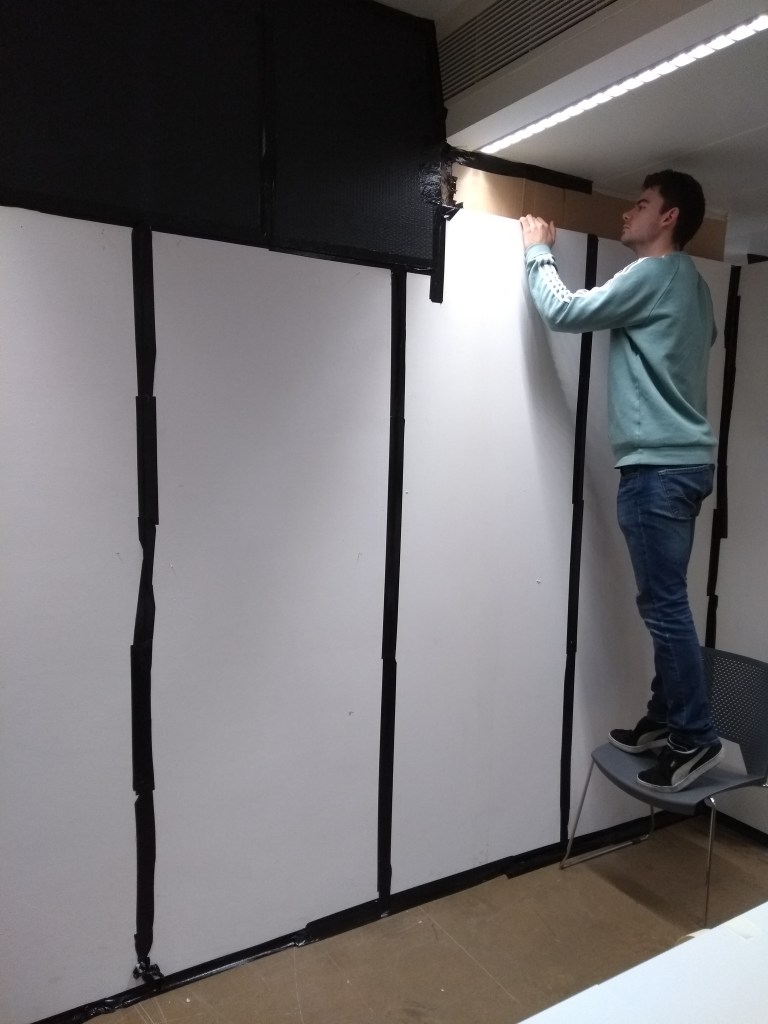
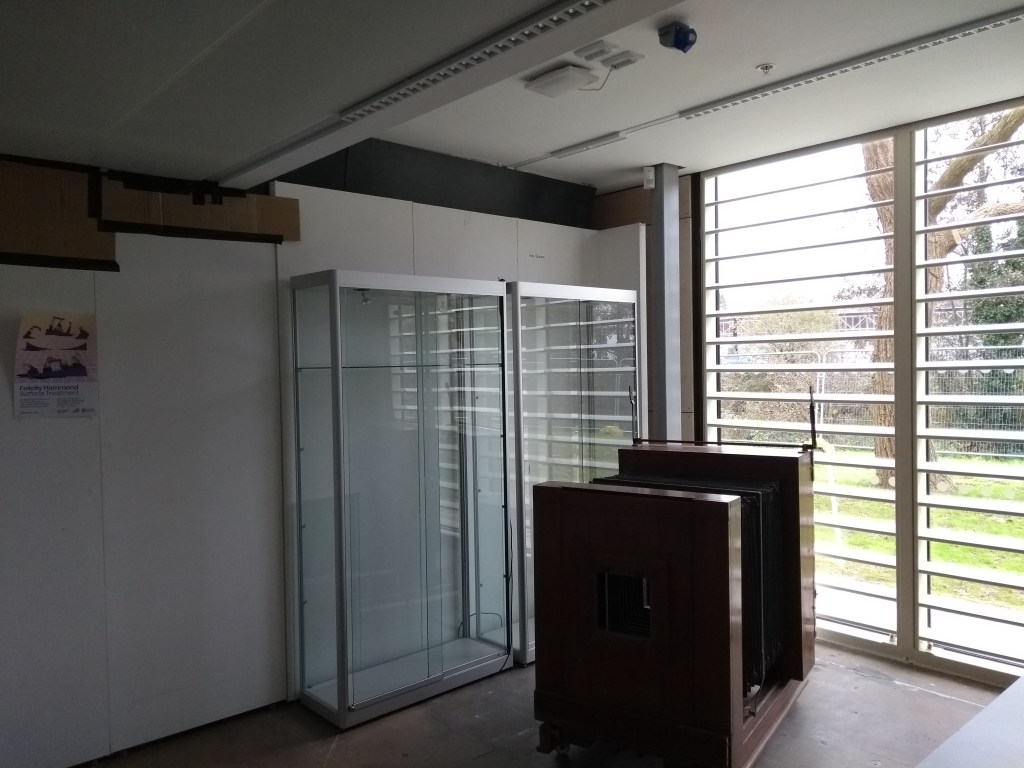
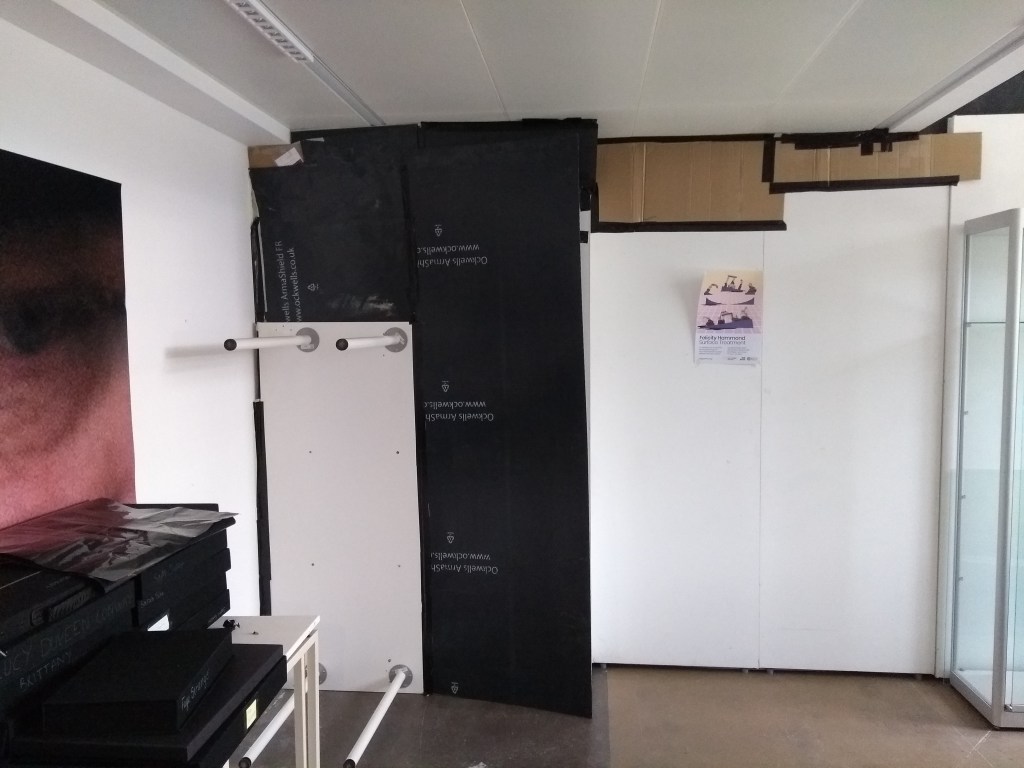
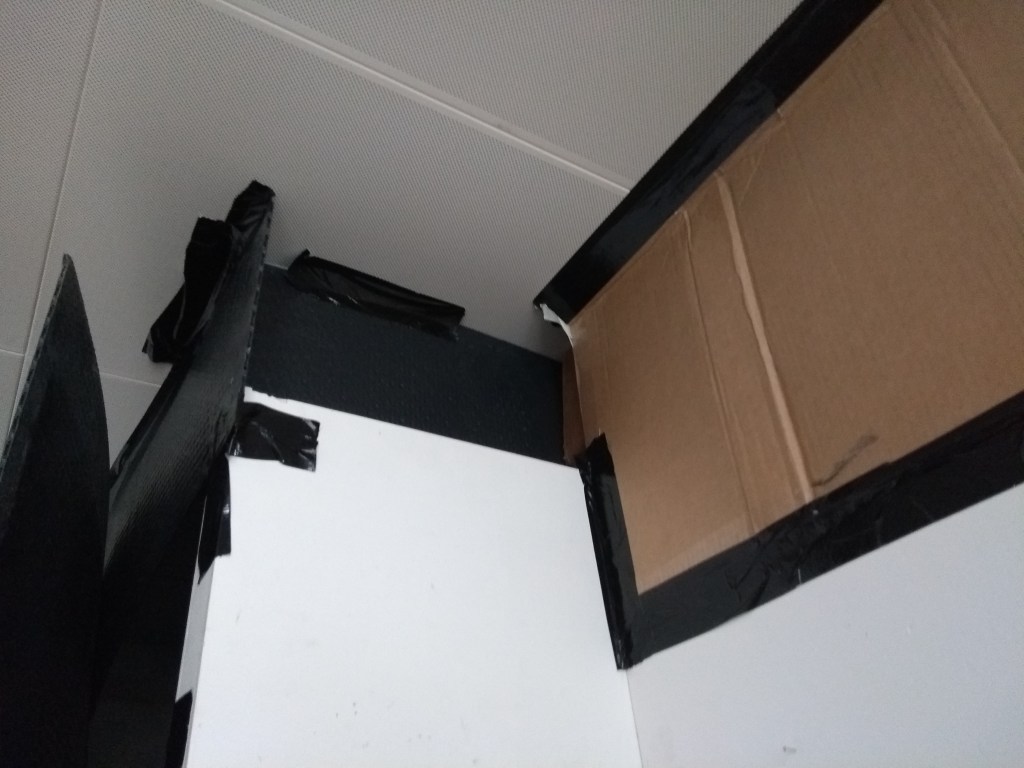
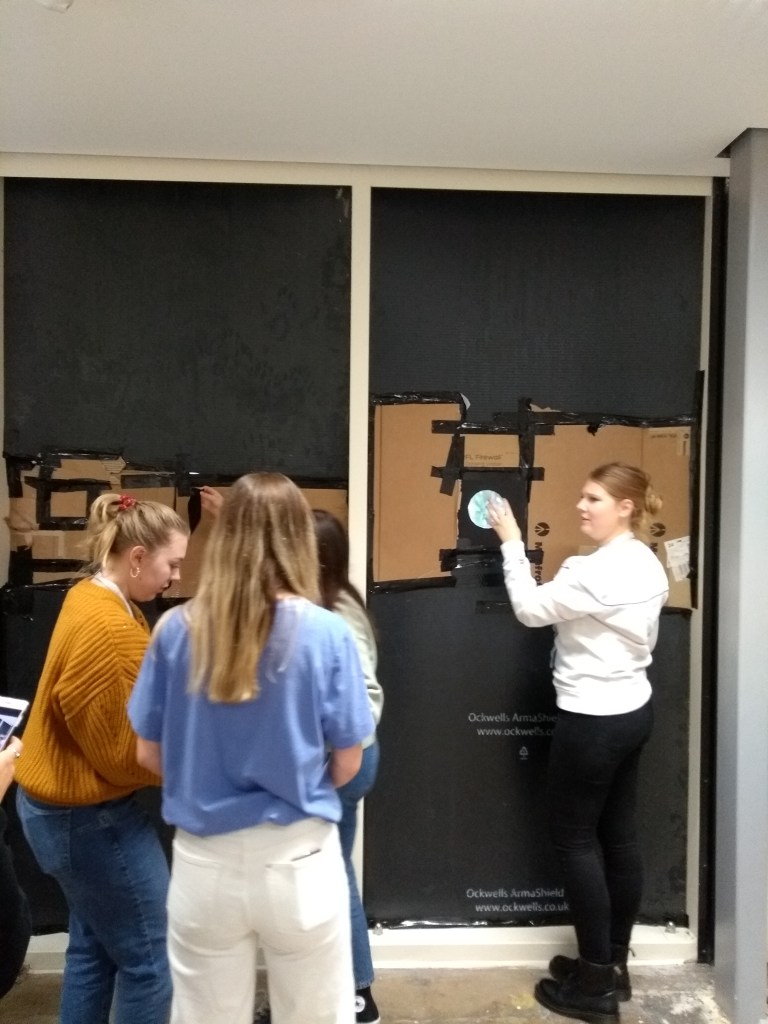
once the room was fully celled we took some glorified magnifier glass lens’ and placed them up against the window with duct tape as view ports acting as the focal point for our camera
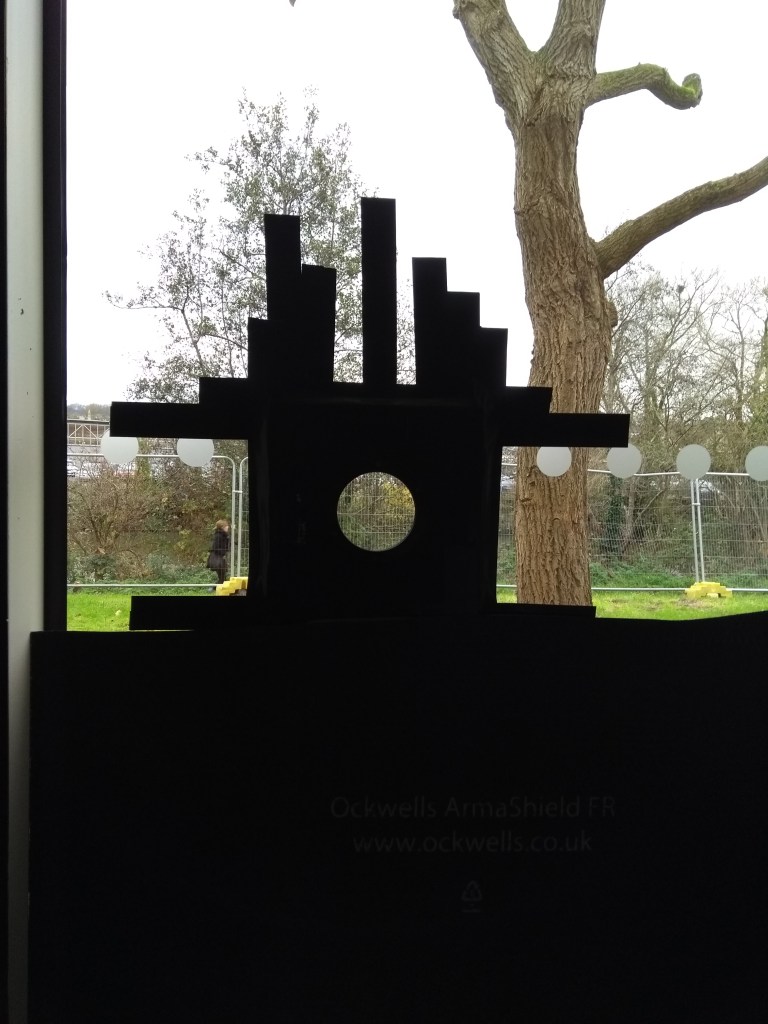
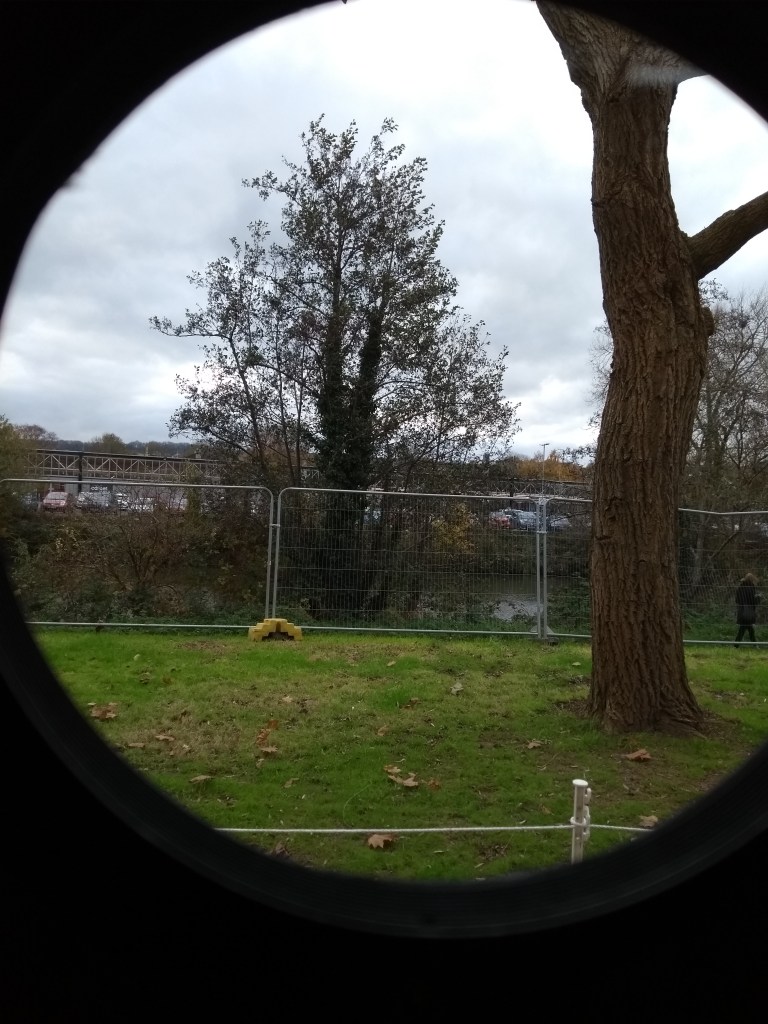
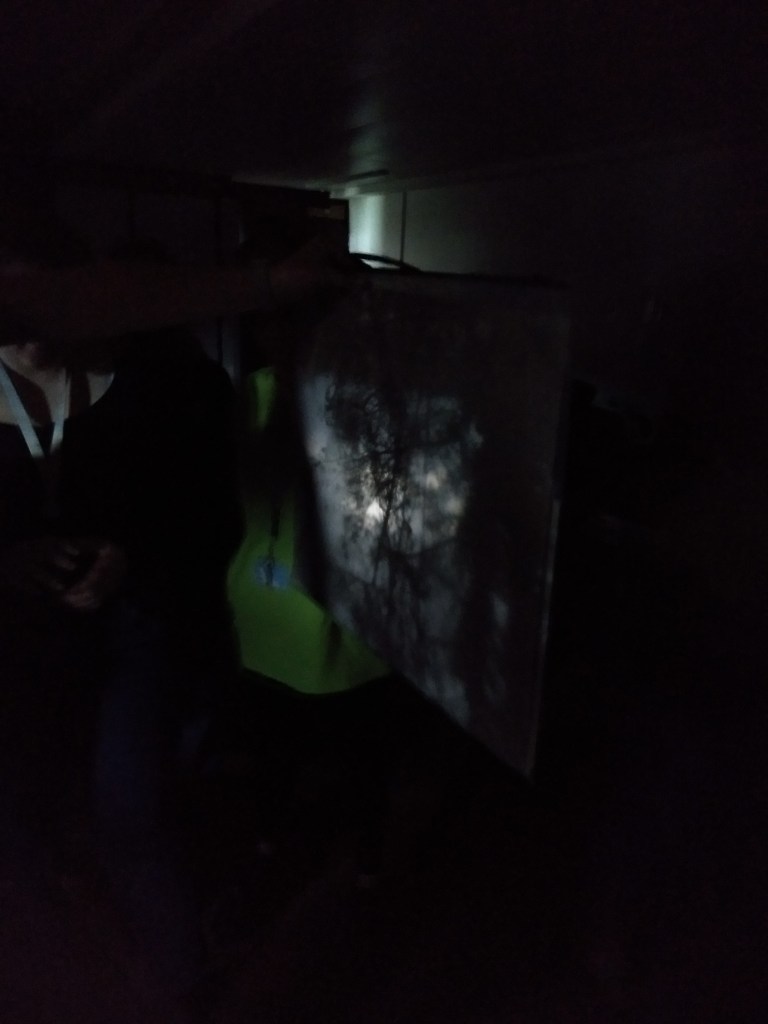
we were finally ready to turn off the lights to look for light leaks, seeing that there were few we taped those remaining gaps over, and were able to use of one the lens to see the upside down projection on a white board. it turns upside down because of the properties of light acting as a wave as it passes through the lens
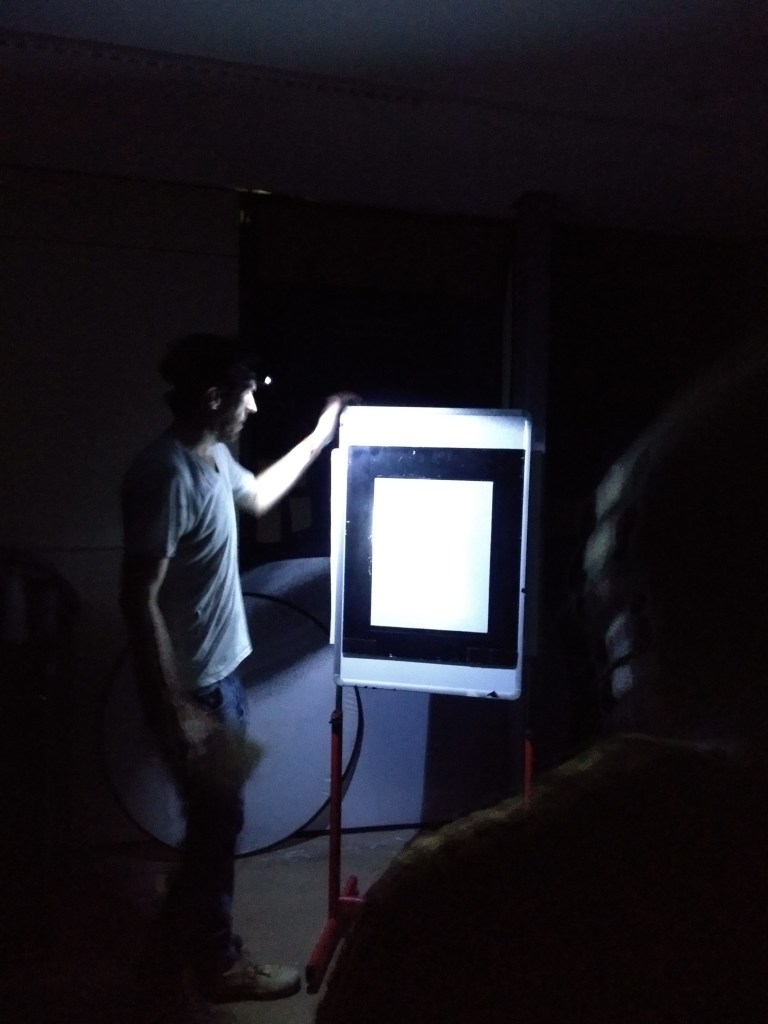
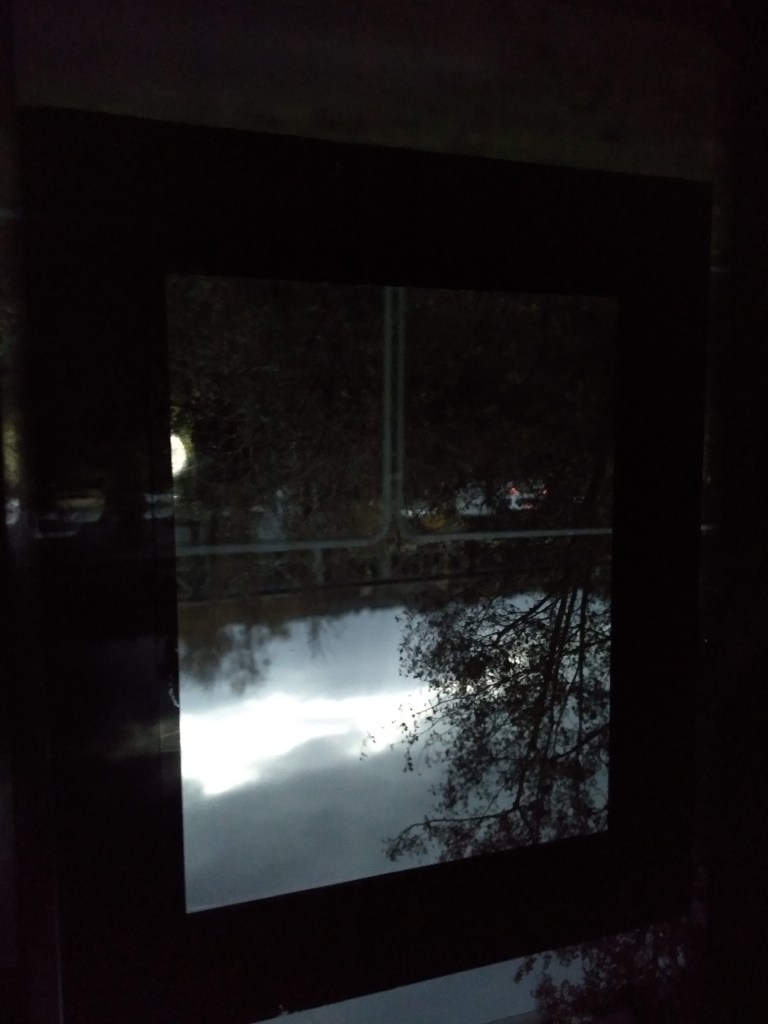
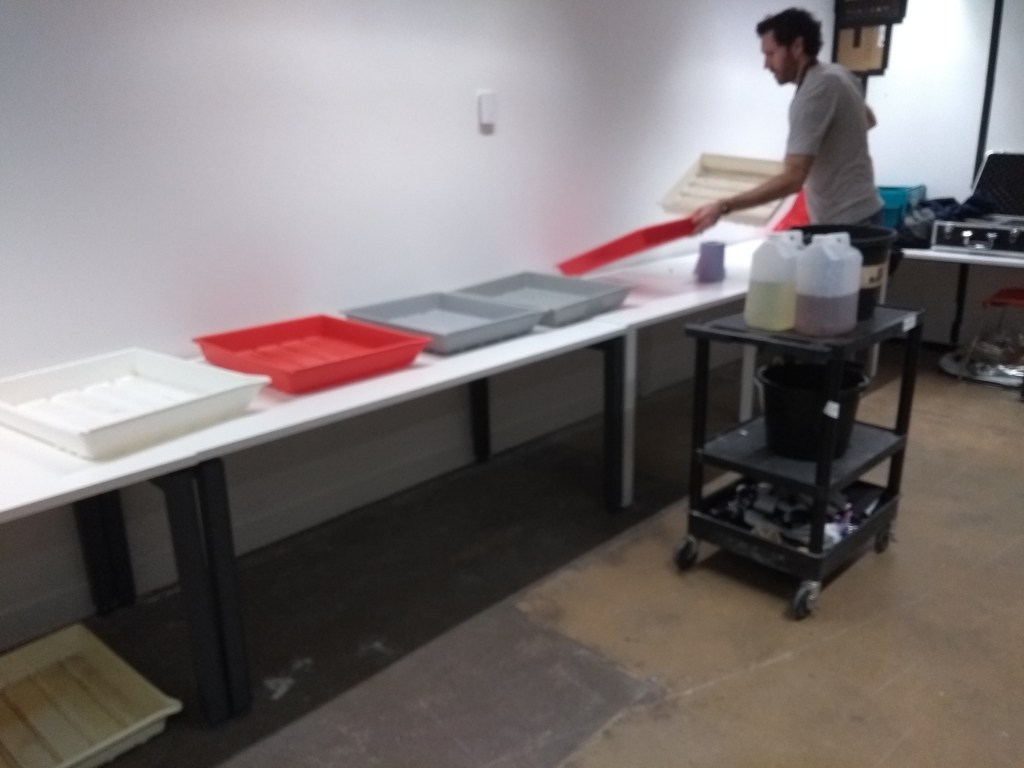
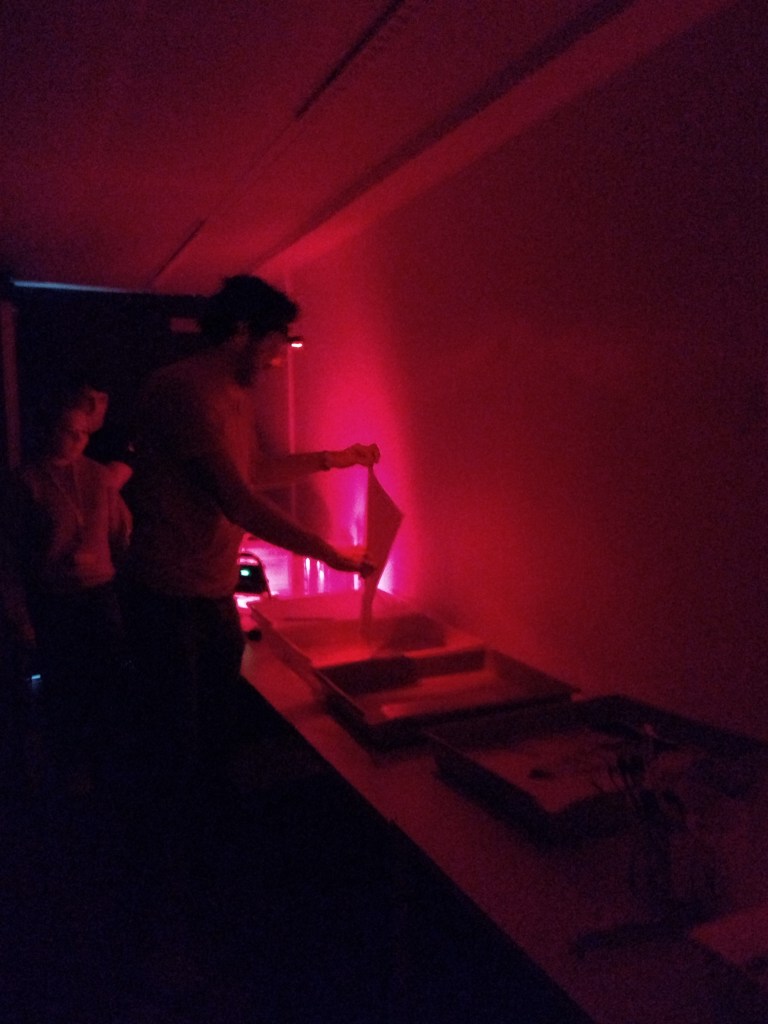
using these big a3 trans at the back of the room we were able to develop and process the paper inside the camera, this makes things a lot easier as there will be no light leaking from outside sources.
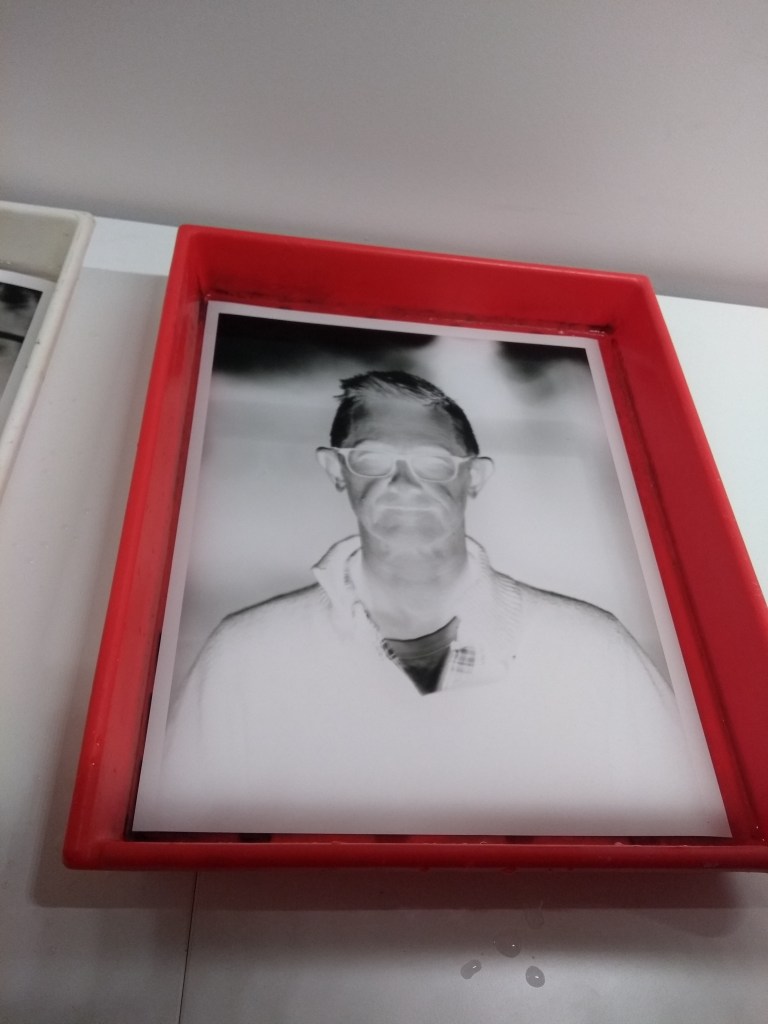
here is a test photo we made of my lecturer Steven, we’re able to produce this negative print and directly on top of it we can produce a positive image with another piece of photo paper.
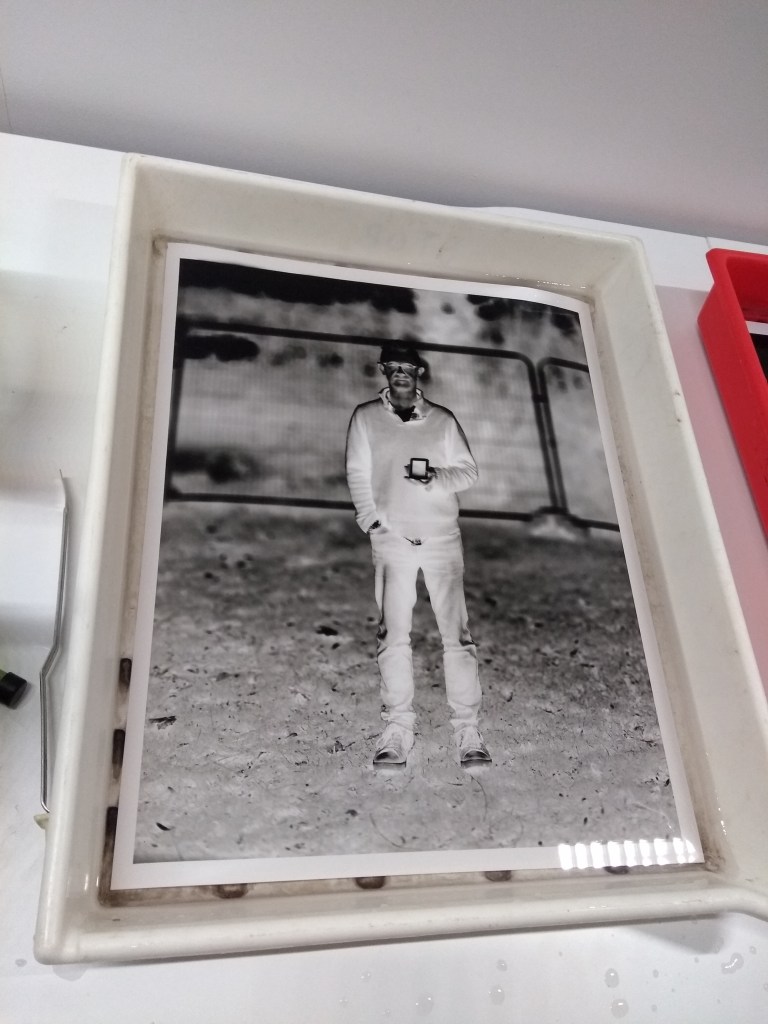
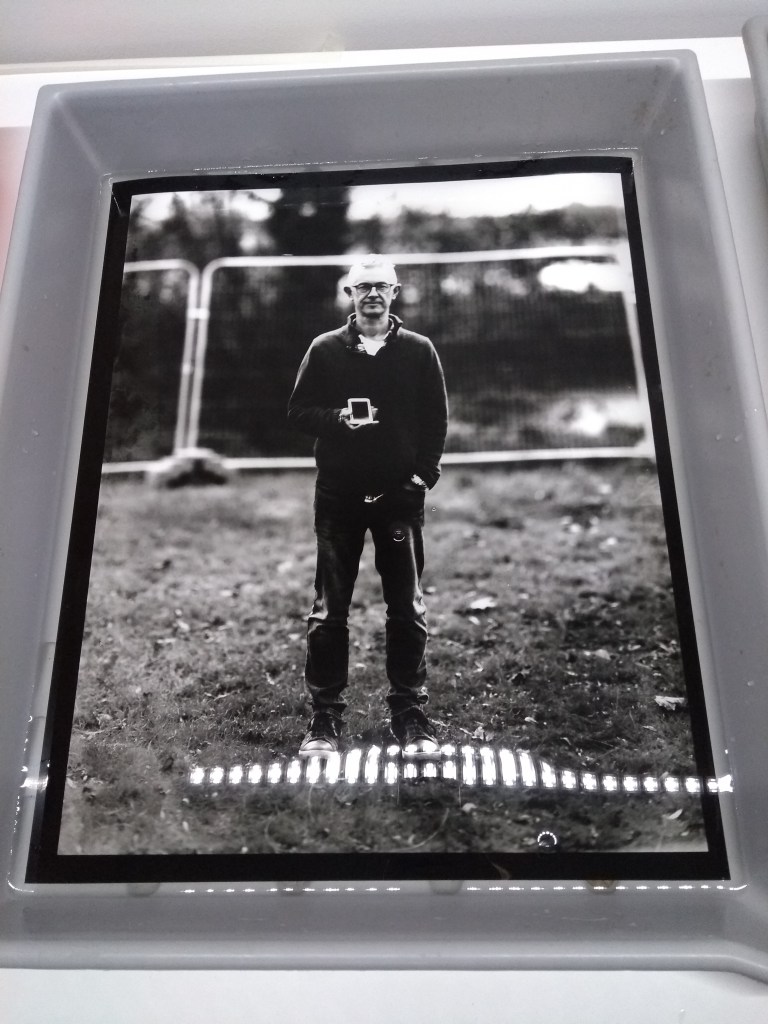
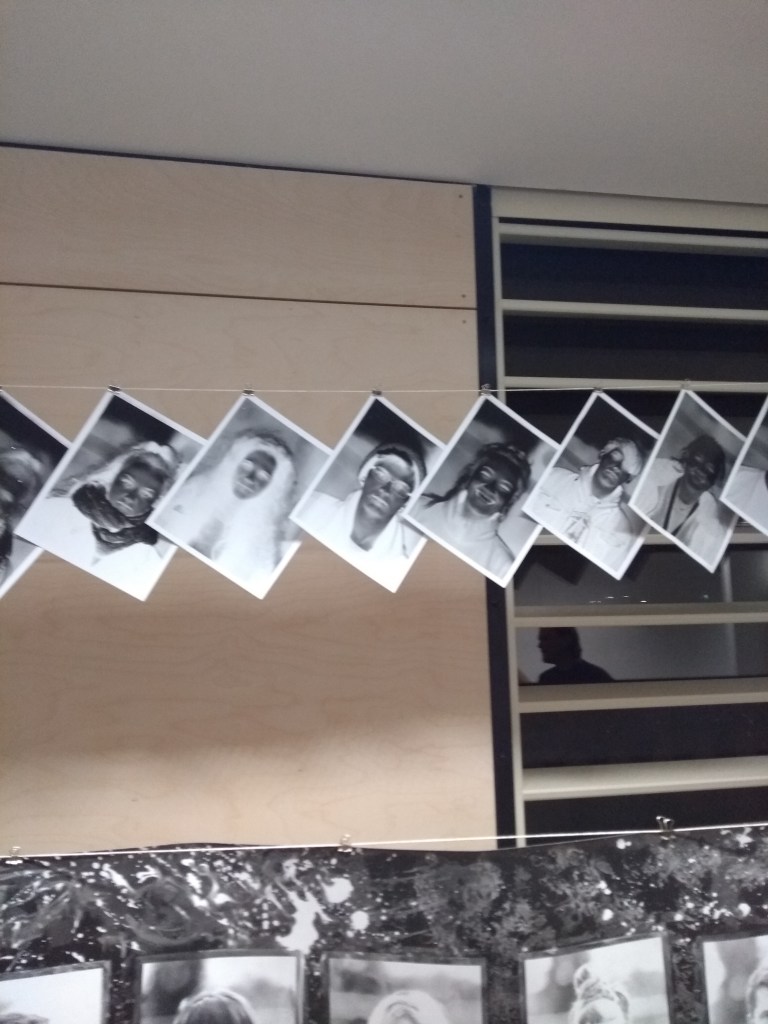
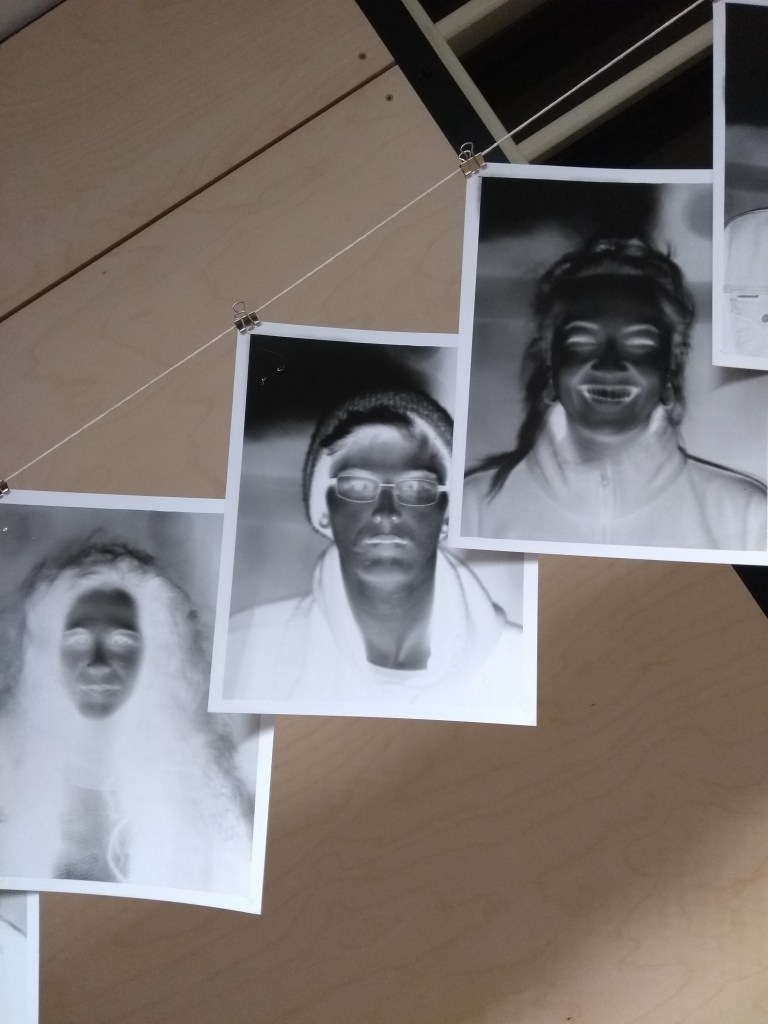
taking part as a group we all got to pose for our portraits to be taken, i think these are super cool
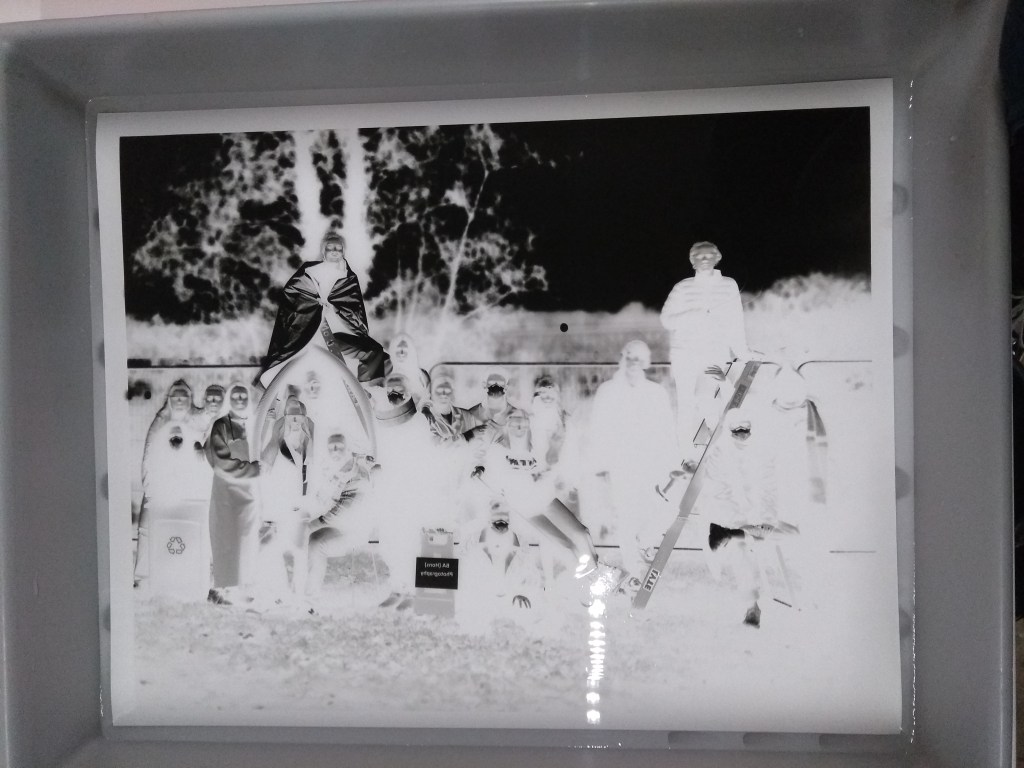

 Alex's Photos & Thoughts