Richard Mosse (1980-) is a contemporary documentary photographer well known for his work in the infrared spectrum through the use of analog film. He likes to tackle controversial subjects like the unfolding refugee crisis in lesbos and the ongoing wars of corruption in the republic of congo through this alterative lens offering a unique perspective on the subject matter
With an extensive exhibition list, Mosse has become world renowned artist, being featured in places like; Künstlerhaus Bethanien, Berlin (2012), Photographers Gallery in London (2014), and Museum of Modern Art in Japan (2016) alongside other artists like Mariah Taniguchi. And has won such awards like the Prix Pictet (2017) for his work titled ‘Heat Maps’
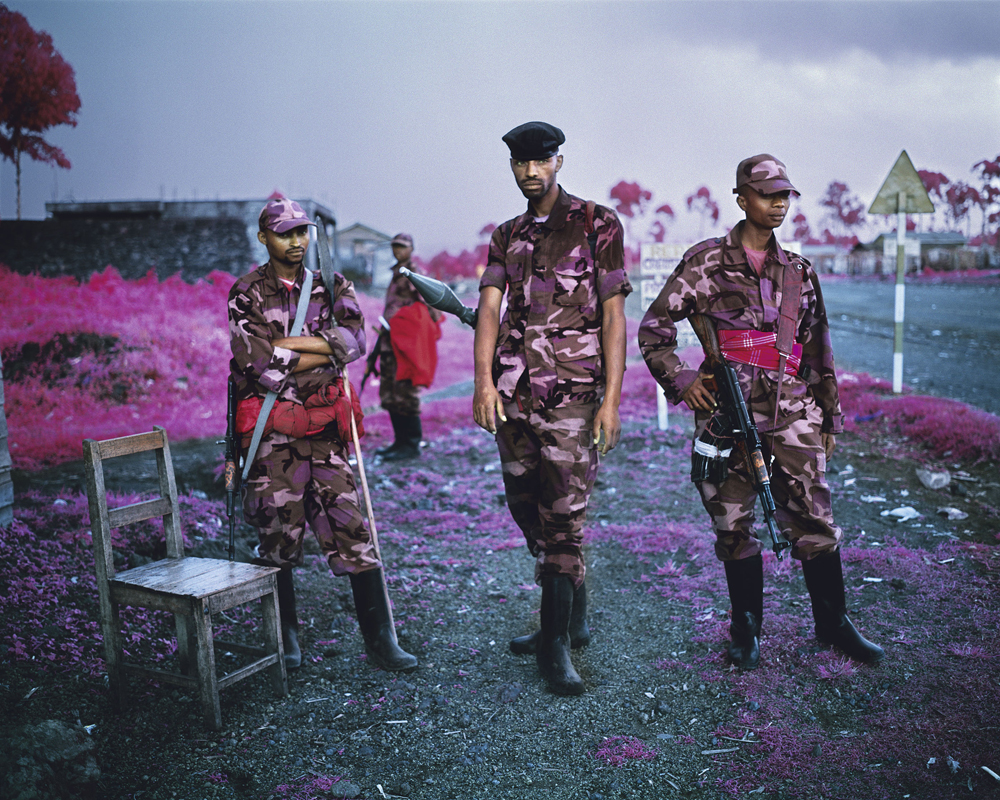
His most notable work is probably ‘Infra’ (2012) and ‘enclave’ (2013) in the republic of congo, by using analog aerochrome film, produced by Kodak in collaboration with the US military during 1942 and was discontinued in 2009, however, Mosse saw this limited opportunity to capture a hidden world and revealing these complex conflict that is still unfolding to this day. This denotes ideas of the sublime because this conflict is so large and gone on for many years it’s even hard for journalists that have been entrenched there for decades to begin to unpick, making us feel so small and helpless to do anything as there no good tribes in this, Its often said sometimes to win the game is to not the game, And theres not even an easy way to present this subject. even as i try to write about this subject i know i only scratch the tip of this ice burg.
Aerochome is a false color IR film that presents beautiful pink and red hues that reacts wells with the green foliage of fauna because of the chlorophyll in the plants which give them this green pigment. However, these altered hues we see were selected by the developers who made the film
Originally designed for aerial photography during wartime in world war 2, this film would allow piots to identify camouflaged troops among the dense shrubbery they were scouting, showing a very practical use for this film, even today it holds many applications within a real world environment like forest surveying or pollen monitoring as it can help identify deciduous and evergreen trees, among other plants, as they have high infrared reflectivity. Another more creative application can be seen within the art world, for instance in the music industry where aesthetics are highly valued allowing these vivid hues to intrigue their viewers, as they are eye catching and stand out against other more conventions mediums. A good example for this that Mosse points to is Jimi Hendrix’s album ‘are you experienced’ for its album cover where this film is featured for its psychedelic connotations of the 60s’ and 70s’
Fascinated by the invisible spectrum Mosse doesnt really subscribe to the conventional ideas of warscape photography, like Robert Capa might have done during his time with black and white film of the D day landings that appear blurry in parts and grainy telling a horror story through photojournalism, where as Mosse’s photos offer a more composed and aestheticised nature
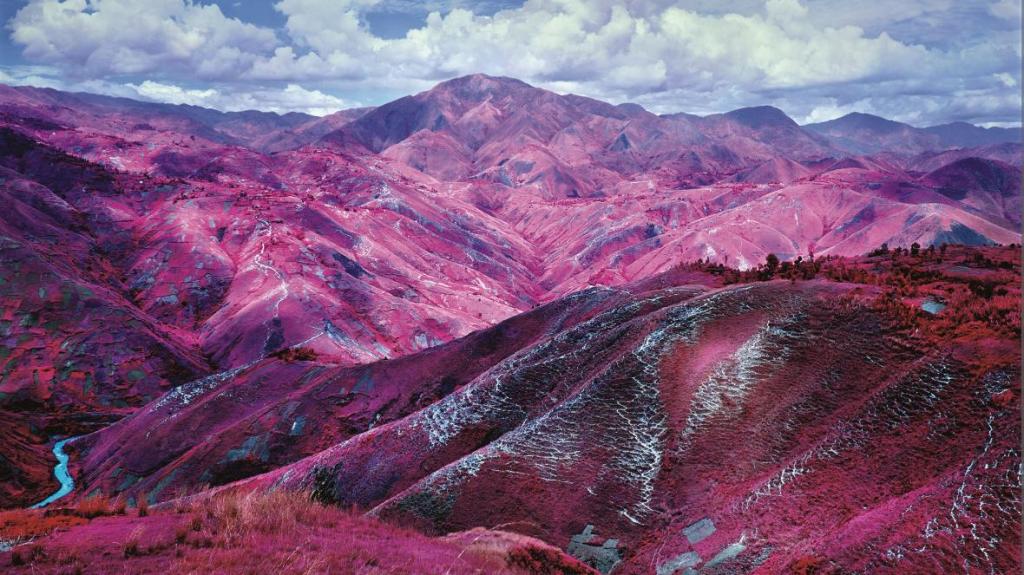
But it is this aestheticisation that brings up interesting ethical questions regarding his work as it seems to glorify these warscapes where horrific tragedies take place, as our mind doesnt seem to acknowledge these because of the pleasant colors that we often contone to a soft gentle atmosphere. And he recognises this within his work but argues that “beauty is the sharpest tool in the box” saying “if you can seduce the viewer and make them feel aesthetic pleasure regarding a landscape, in which human right violation happen, they feel ethically compromised and that moment of self awareness is a powerful thing because the viewer is constructing their own opinions and taking their own ethical position” and i agree with him,Moose pushes to help this and embrace this aestheticism to produce surreal color pallets and encourages the viewer to take a longer lookto take a moment and reflect on this images and even though their arent dead bodies within these images, it brings awareness to the surface without being too graphical for some viewers which might make them shut off from this. I think this moral positioning is what caught myself when first looking at these images in Paris, this beautiful hues drew me in with their seductive color pallets making me interested in the subject matter and to learn about the conflicts that are happening here, even though i may not understand the full picture its this awareness around the subject makes this work hit so much harder.
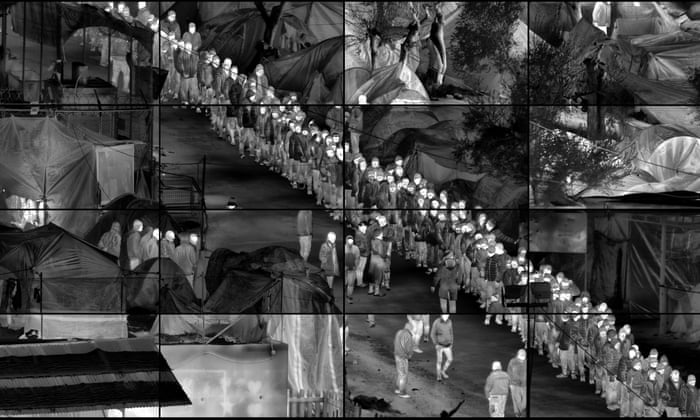
In Mosse’s more recent work ‘incoming’ (2017) and ‘heat maps’ (2017) about the refugee crisis in Lesbos, Greece, he uses a different kind of IR, which uses a US military thermal imaging camera capable of seeing 10km away often used to spot people crossing the boarder.
makes reference to migrant mother Dorothea Lange, but provides an anonymous portrayal for these refugees, both as a artistic device for the safety of these people who are seeking a trying better life here
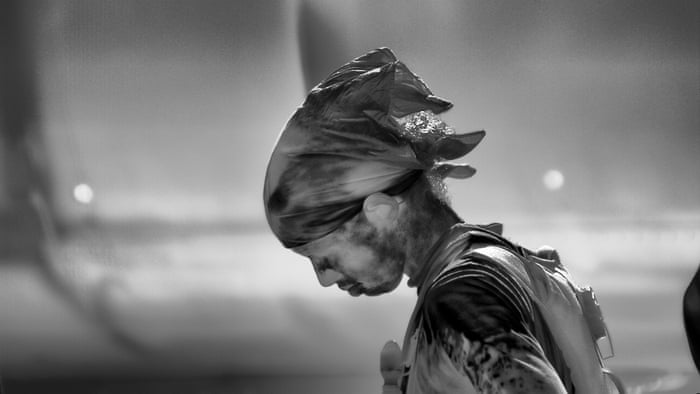
i love the tonal values of these images and might try to recreate something similar within my won work
http://www.artnet.com/artists/richard-mosse/
https://aperture.org/shop/infra-2765/
 Alex's Photos & Thoughts